You do not need to know how websites are made.

It is enough to recognise a direction that feels right for your business. We turn it into a clear, useful website — with your services, imagery, language and way of speaking to clients.

Visual directions by type of business.

Every image is an illustrative direction, not a website to copy. It shows how your own version could look and what should be visible for this kind of work.

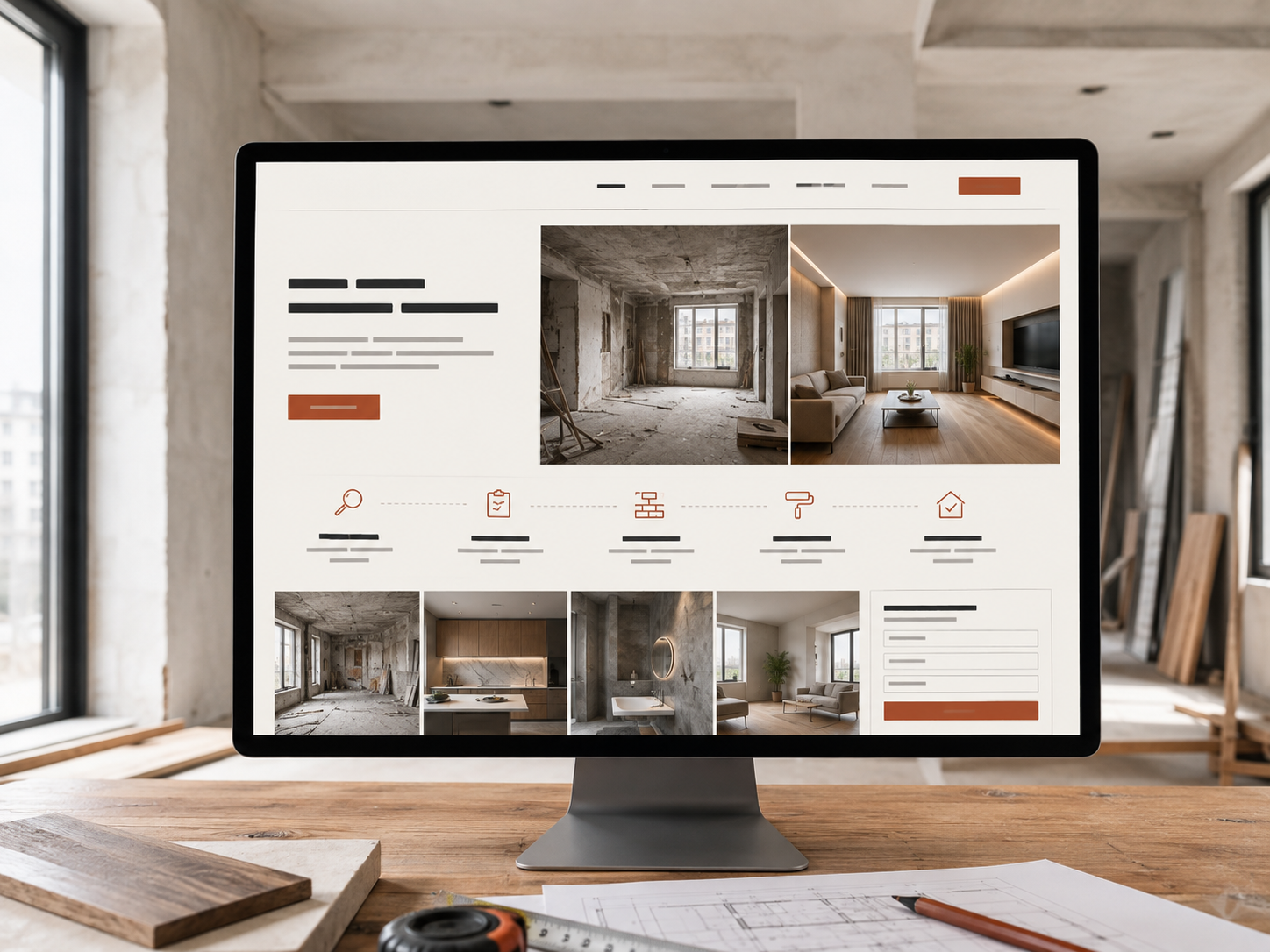
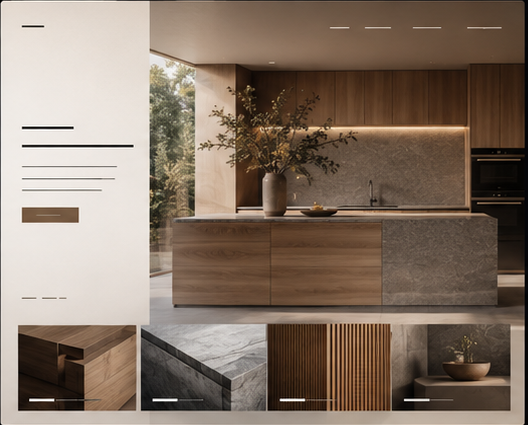
Illustrative example of a warm, considered website for an interior business
Illustrative visual direction

Custom furniture and kitchens. Details sell the work.

For makers of furniture, kitchens, wardrobes and individual interior solutions, where clients choose with their eyes first.

Suitable for: kitchens, made-to-order furniture, wardrobes, interior solutions and lighting.

The website can lead with real projects, materials and a clear way to enquire. A thousand-item catalogue is not necessary when a few well-shown solutions tell the story better.

See what the website can include
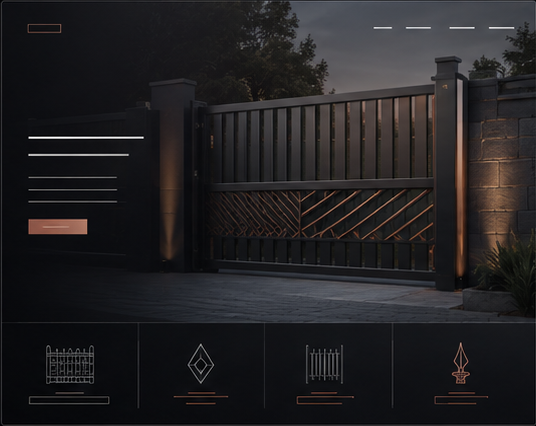
Illustrative example of a precise website for fences, gates and metalwork
Illustrative visual direction

Fences, metalwork and entrance systems. Clear construction. Serious presence.

For fences, gates, railings, metal structures, canopies, automation and access control.

Suitable for: fences, gates, railings, canopies, automation and entrance systems.

Clients should quickly understand what you make, what kind of properties you work on and what a finished detail looks like. Each service can have its place without turning the site into a technical catalogue.

See what the website can include
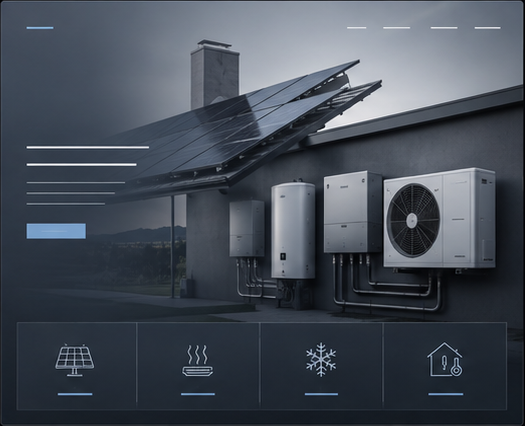
Illustrative example of a website for solar, climate and building systems
Illustrative visual direction

Climate, heating and solar systems. Technical work explained clearly.

For solar systems, air conditioning, heat pumps, heating, automation and servicing.

Suitable for: solar systems, air conditioning, heat pumps, heating, automation and service.

The technology may be complex, but the website should not be. We explain the benefit, process and services in normal language while keeping useful technical detail available for the people looking for it.

See what the website can include

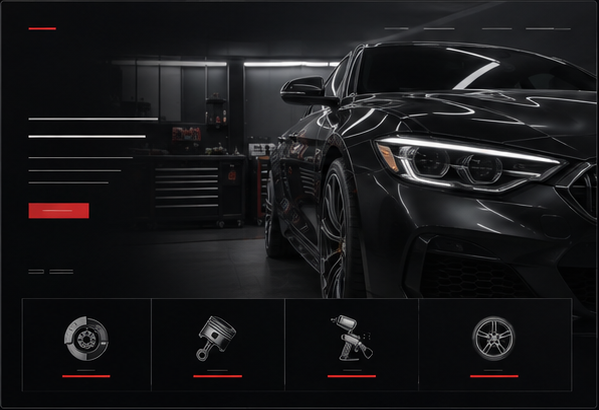
Illustrative example of a website for an automotive workshop, detailing studio or tuning specialist
Illustrative visual direction

Automotive. A workshop with character, not another generic garage.

For car servicing, detailing, tyres, diagnostics, tuning, parts and specialist vehicle care.

Suitable for: service, detailing, tyres, diagnostics, tuning and parts.

For work whose quality needs to be felt before the first call. Services, photography, booking and practical information can be arranged so people know where they are going and why.

See what the website can include
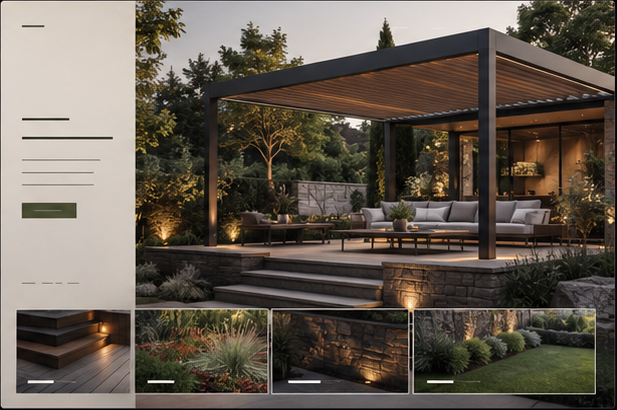
Illustrative example of a website for pergolas, gardens and outdoor spaces
Illustrative visual direction

Landscaping, pergolas and outdoor spaces. Show the finished result.

For pergolas, gardens, landscaping, yards, outdoor kitchens and property-focused exterior work.

Suitable for: pergolas, gardens, landscaping, yards, outdoor kitchens and façade solutions.

This direction gives room to photography and the feeling of a finished project. Clients see what they could receive, then can calmly choose a service or ask about their own property.

See what the website can include
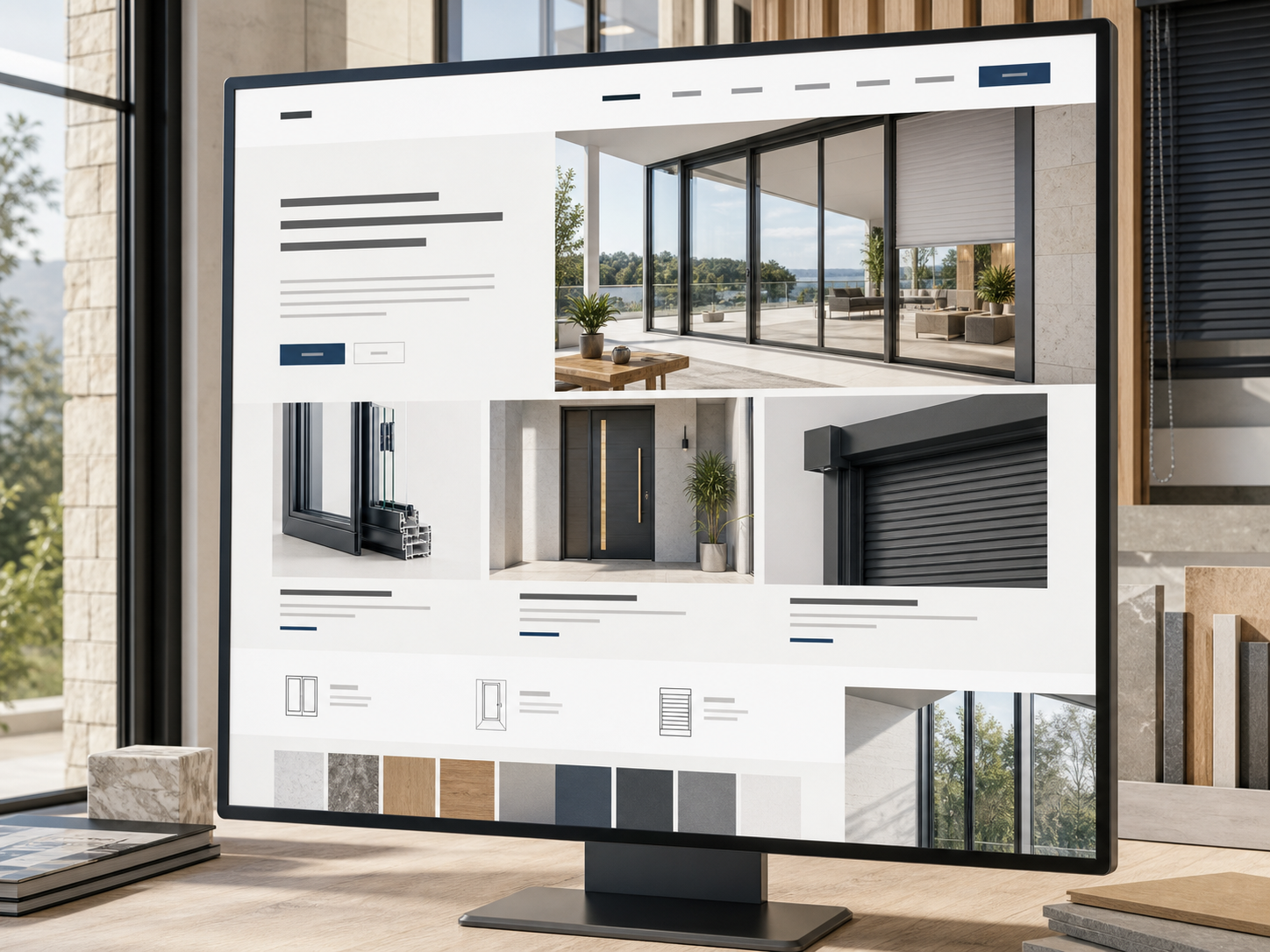
Illustrative example of a website for windows, doors and blinds
Illustrative visual direction

Windows, doors and blinds. Bring a wide choice into clear order.

For windows, entrance and interior doors, blinds, roller shutters and awnings, where people want to compare materials and directions.

Suitable for: windows, entrance doors, interior doors, blinds, roller shutters and awnings.

The website keeps categories clear and makes space for completed projects without clients getting lost in technical options.

See what the website can include
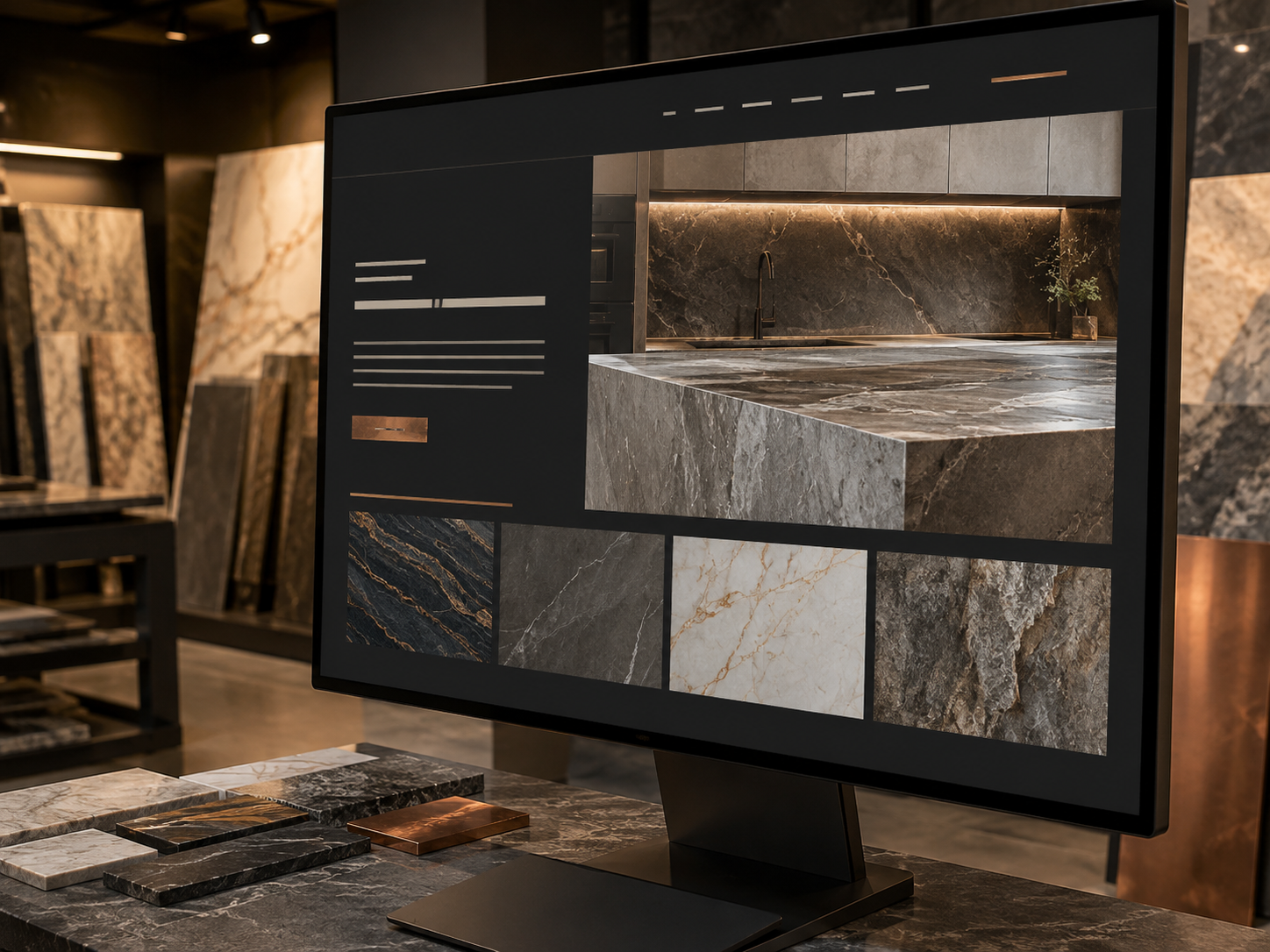
Illustrative example of a website for stone, worktops and cladding
Illustrative visual direction

Stone, worktops and cladding. The material needs to be felt.

For natural and engineered stone, kitchen worktops, steps, cladding and workshops where texture and finish are decisive.

Suitable for: worktops, cladding, steps, sinks, natural stone and engineered stone.

A fitting direction for large material-led images, real projects and a short path to an enquiry by dimensions or project.

See what the website can include
Illustrative example of a website for transport and removals
Illustrative visual direction

Transport and removals. Area, service and contact without wasted time.

For home and office moves, transport, vans with drivers and logistics services, where clients need a dependable solution from their first search.

Suitable for: removals, office moving, vans, freight transport and logistics services.

The structure puts services, coverage areas and a practical way to get in touch in plain view, so an enquiry can become specific quickly.

See what the website can include
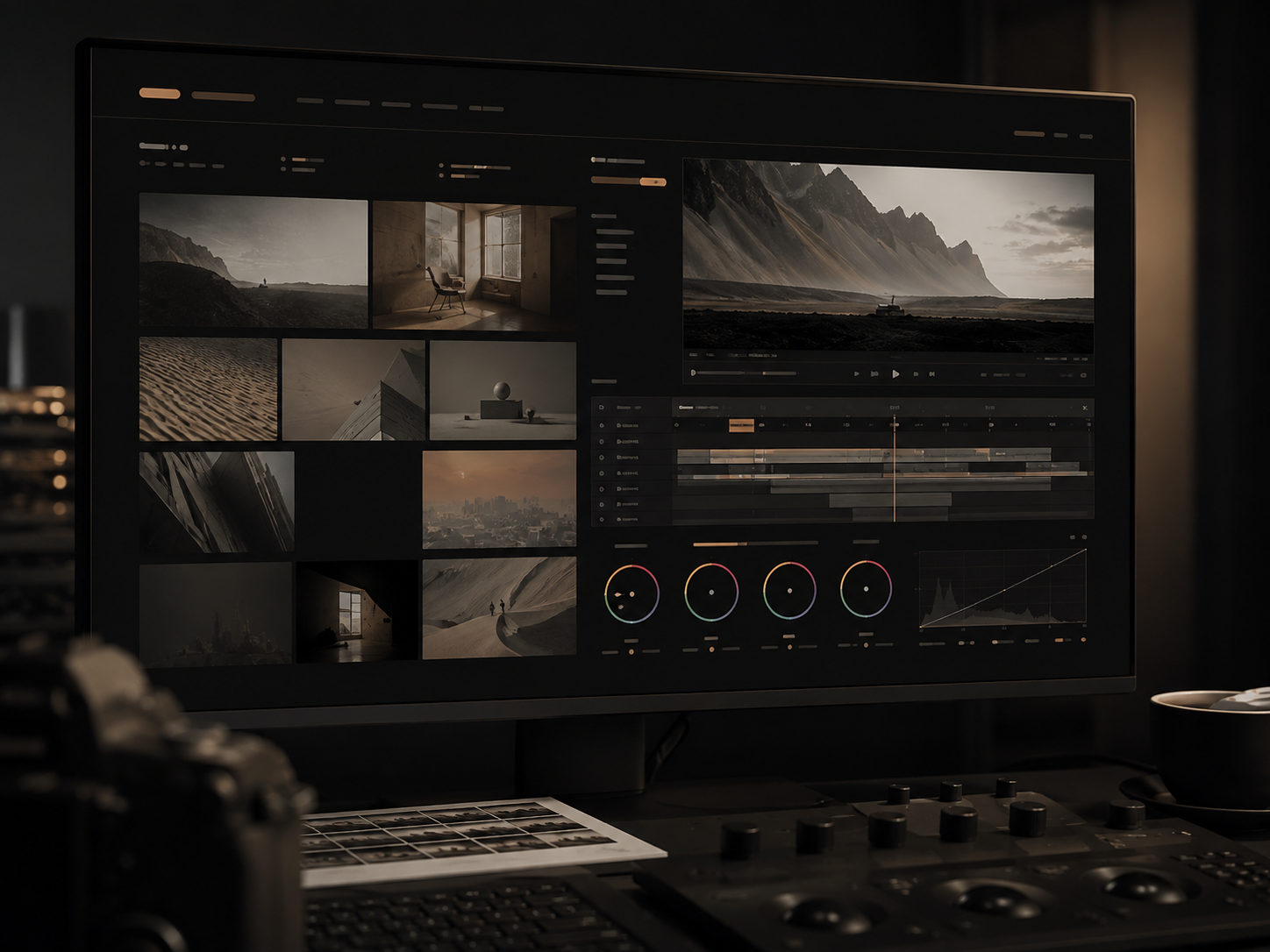
Illustrative example for photography and video post-production
Illustrative visual direction

Photography and video post-production. The images are the main character.

For wedding, portrait, product, interior and event photographers, as well as video teams whose work should speak first.

Suitable for: weddings, portraits, products, interiors, events and video post-production.

The portfolio is organised around series, style and a simple first contact, without the interface competing with the photography.

See what the website can include
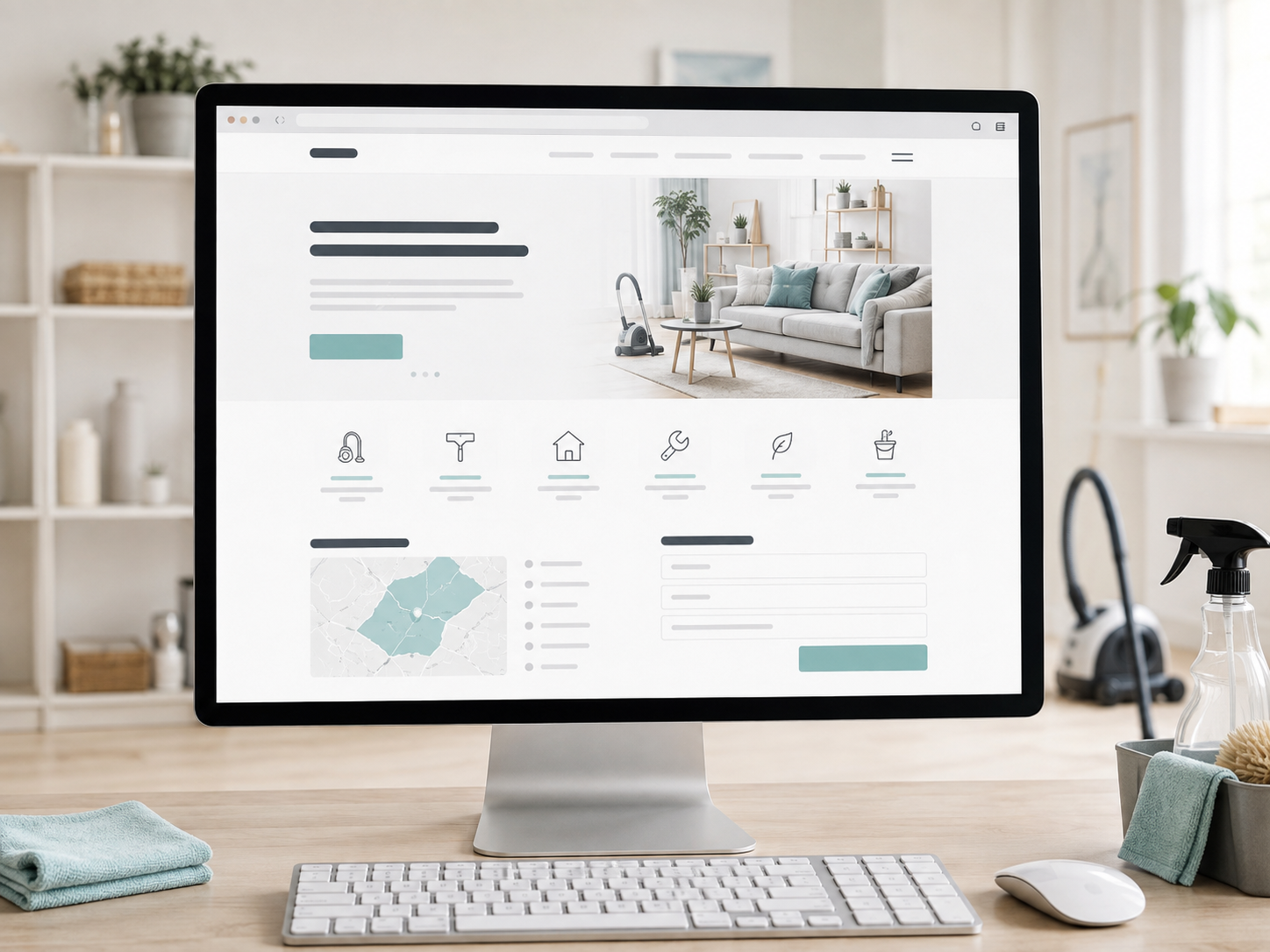
Illustrative example of a website for cleaning and maintenance
Illustrative visual direction

Cleaning and maintenance. Be clear about what you take on and where.

For home and office cleaning, property maintenance and recurring services, where coverage, area and an easy enquiry matter most.

Suitable for: homes, offices, entrances, properties, recurring maintenance and post-renovation cleaning.

This direction brings services, working area and a useful contact route forward, without unnecessary words or a wall of information.

See what the website can include
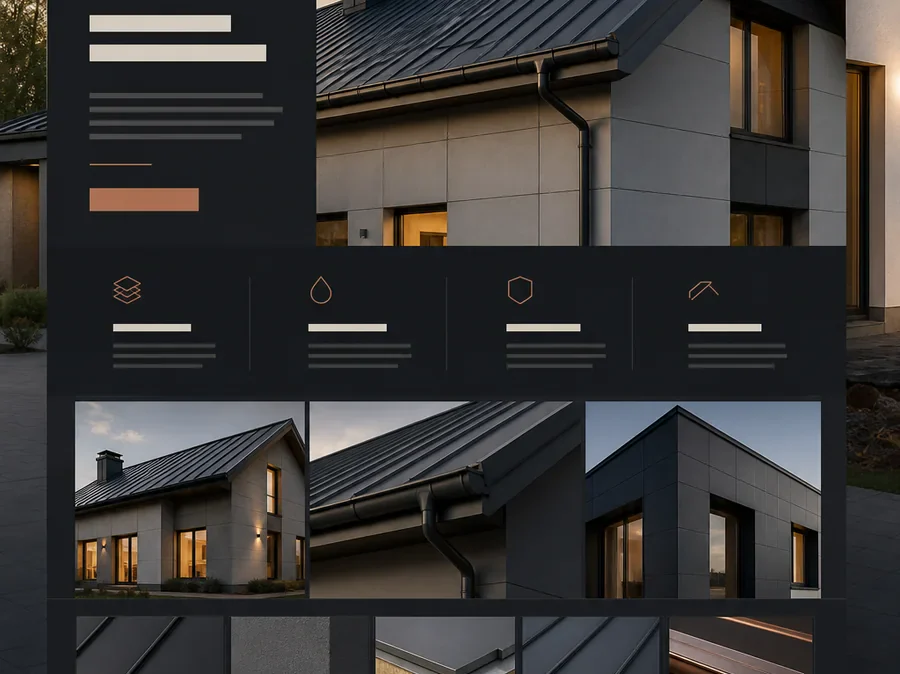
Illustrative example of a website for roofing and facades
Illustrative visual direction

Roofing and facades. Materials and detail need to build trust.

For roofing, facades, gutters, insulation, roof-system repair and exterior building envelopes.

Suitable for: roofing, facades, gutters, thermal insulation, waterproofing and repairs.

This direction makes the system, materials and completed work clear without leaving clients to guess what you take on or how a survey begins.

See what the website can include
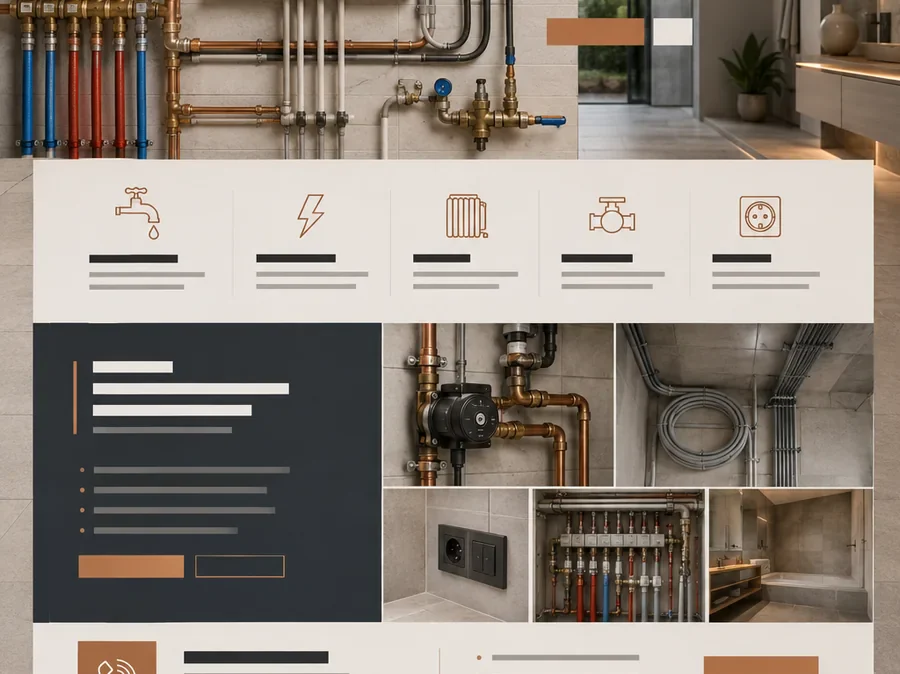
Illustrative example of a website for plumbing and electrical services
Illustrative visual direction

Plumbing and electrical services. A clear answer for work that cannot rely on guesswork.

For plumbing, electrical installations, repairs, bathrooms, utility rooms and property servicing.

Suitable for: plumbing, electrical work, bathrooms, repairs, installations and maintenance.

Services, coverage areas and practical contact come first, while the technical detail is explained in plain language for people looking for help.

See what the website can include
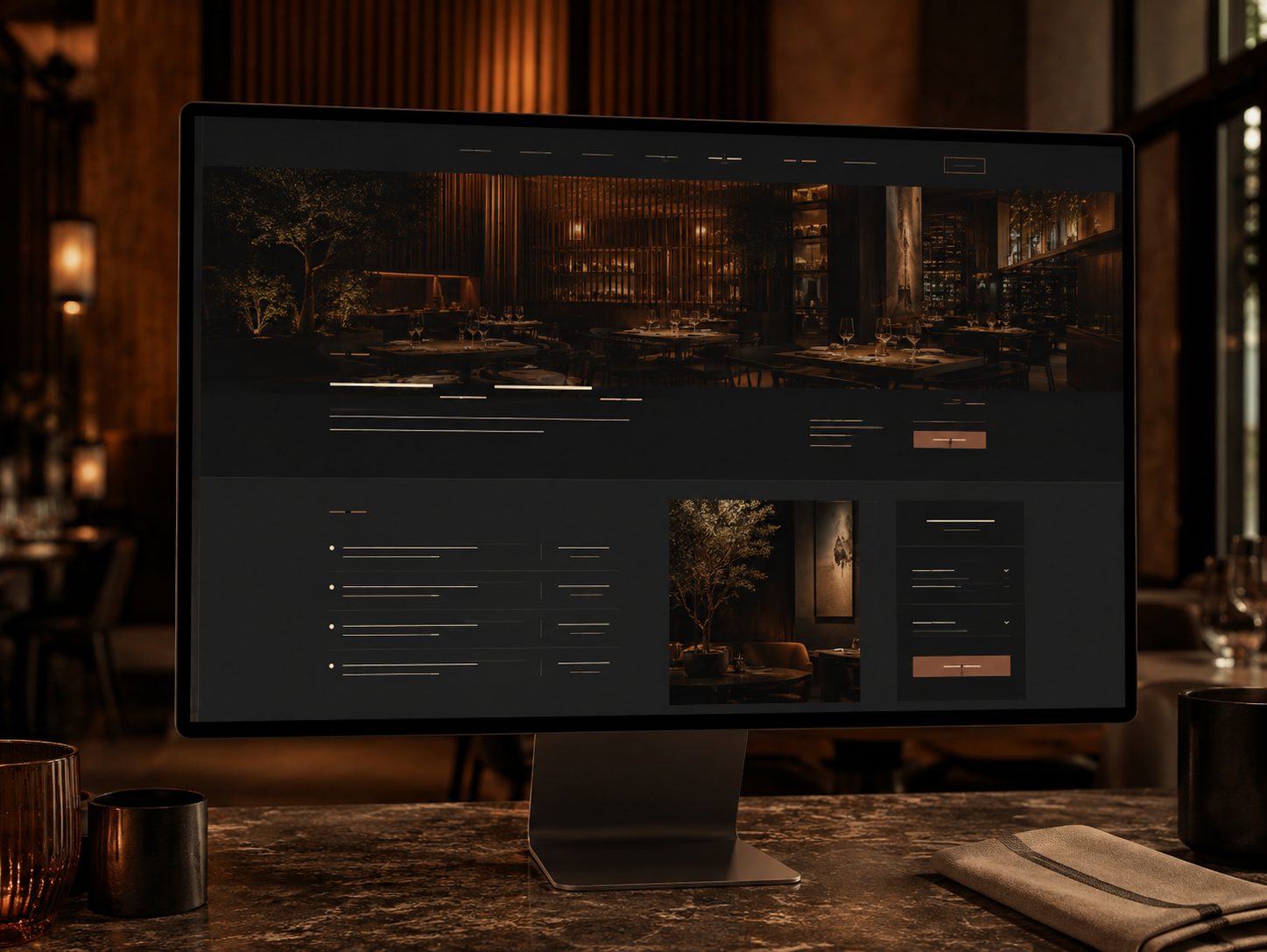
Illustrative example of a website for a restaurant, café or food venue
Illustrative visual direction

Restaurants, cafés and food venues. The atmosphere starts before the first order.

For restaurants, cafés, bars, bakeries, patisseries and event venues where people need to feel the place before they visit.

Suitable for: restaurants, cafés, bars, bakeries, patisseries, brunch and events.

Menu, space, opening hours and location are arranged so a client can move naturally to a booking, call or event enquiry.

See what the website can include

After you choose: you know the business. We organise the website.

  1. Choose a direction.A link to this page and one sentence about what you like is enough to begin.
  2. We establish the facts.Your services, area, photography, language and the way you want people to contact you.
  3. You receive a clear proposal.We outline the pages worth creating and what clients will find on each one.

Found a direction you like? Tell us which one.

You do not need design terminology or a finished brief. We start with what you do well and work out the rest together.